
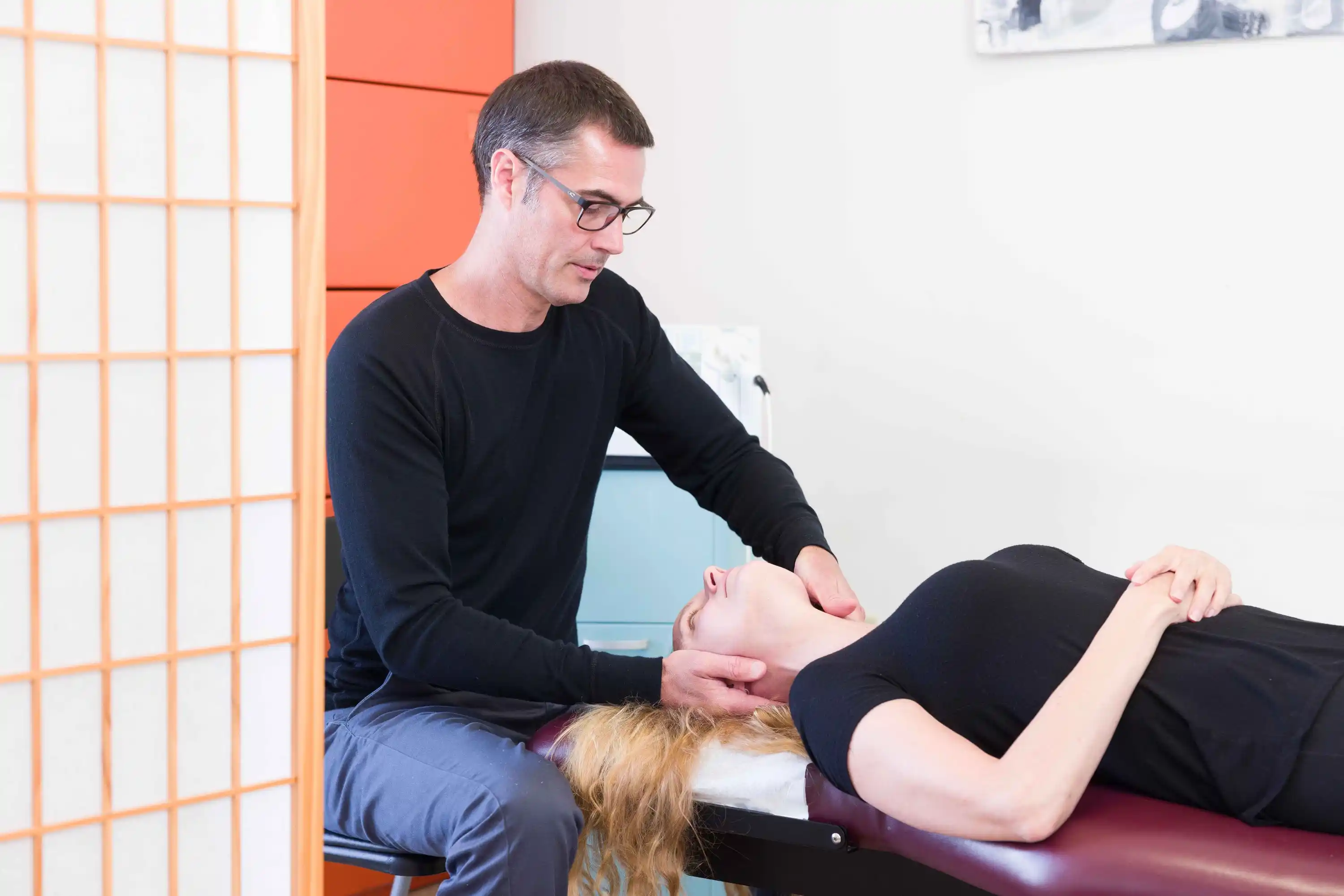
Chiropractic Adjustments
Adjustments are a specific applied force to a joint in order to normalize the motion of the restricted joint and improve the body's physical function. An example of why someone would need an adjustment would be if a patient can turn their head 70 degrees to the left but only 50 degrees to the right. In this case the doctor would perform a cervical adjustment on the restricted joints in order restore normal range of motion to the restricted side. For people who do not like their neck being cracked of if we feel a diversified adjustment would not be appropriate we offer alternative forms of adjustments. This may consist of gentle movements with light pressure over the restricted joint while traction is applied. We also offer other alternatives like Drop Table or Activator adjustments.
While most people are aware that the Cervical, Thoracic, Lumbar and Sacral regions of the spine can be adjusted, many don't realize that almost all the joints in the body can be adjusted. Joints that we often adjust in our office are Shoulders, Hips, Knees, Elbows, Wrists, Hands, Ankles, Feet and Jaw (TMJ).
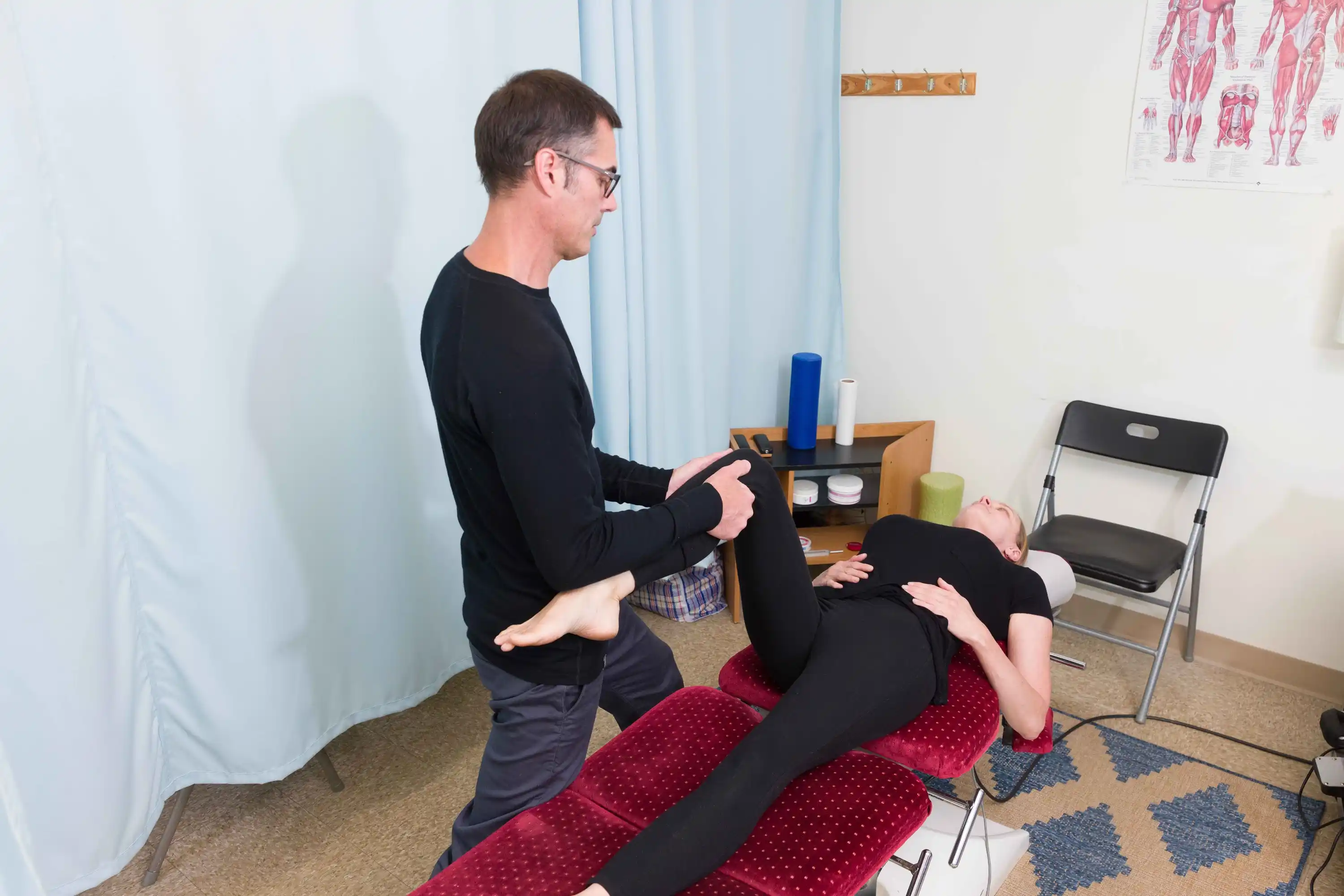
Therapies
While restricted joints can cause pain and many problems, it is often the muscles that cross and move those joints that are the cause of the problem. This is why we usually perform one or multiple different therapies each visit to accompany the adjustment. The goal of these therapies is to decrease muscle spasms, break down muscle knots, decrease inflammation, increase strength and flexibility, relax muscles and promote healing. Therapies we typically use in our office include the following.
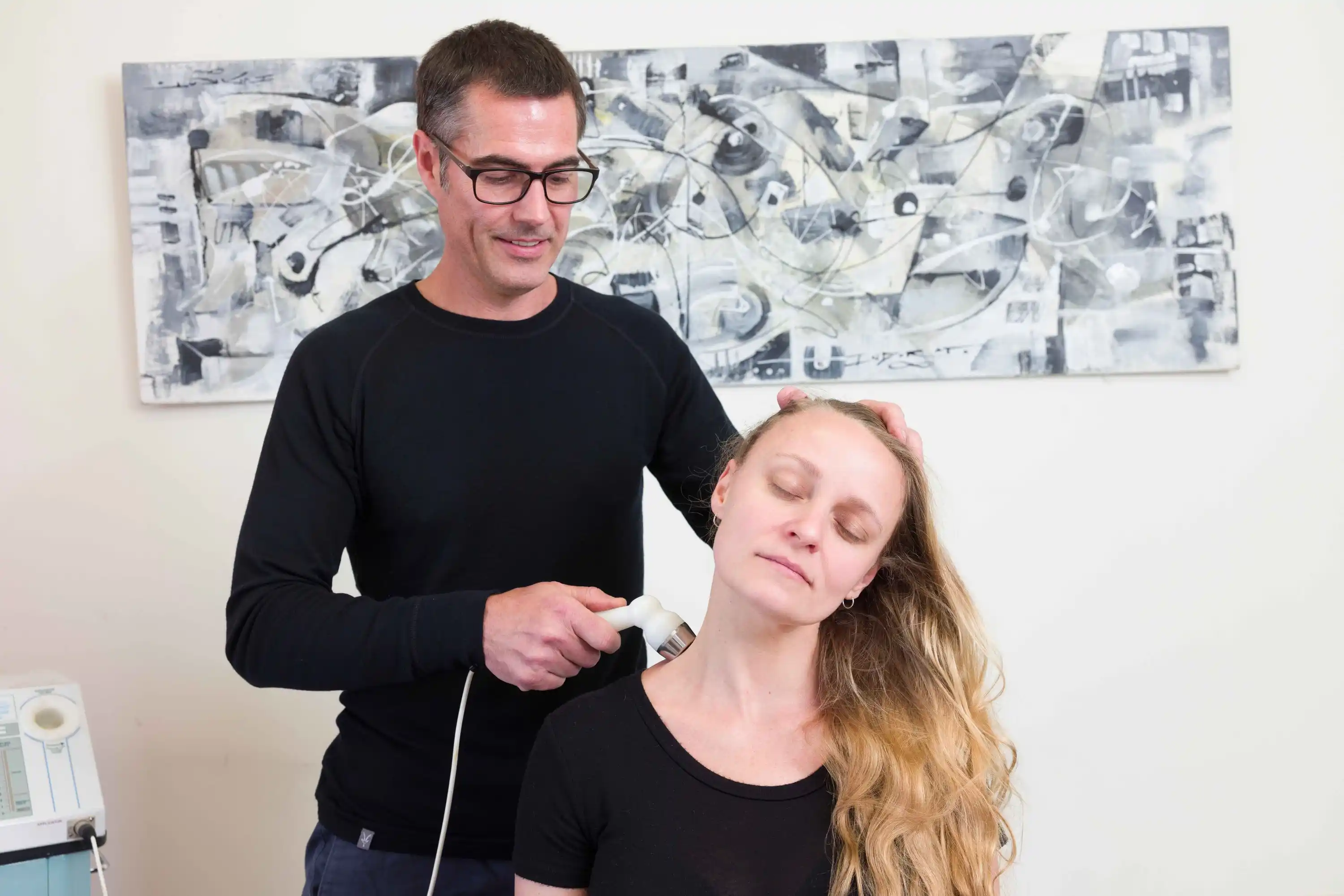
Ultrasound Therapy
Ultrasound Therapy uses sound waves to heat internal structures like muscles, joints, ligaments and tendons. We typically use this therapy to break down muscle knots or spasms, reduce inflammation and increase blood supply to the affected area.
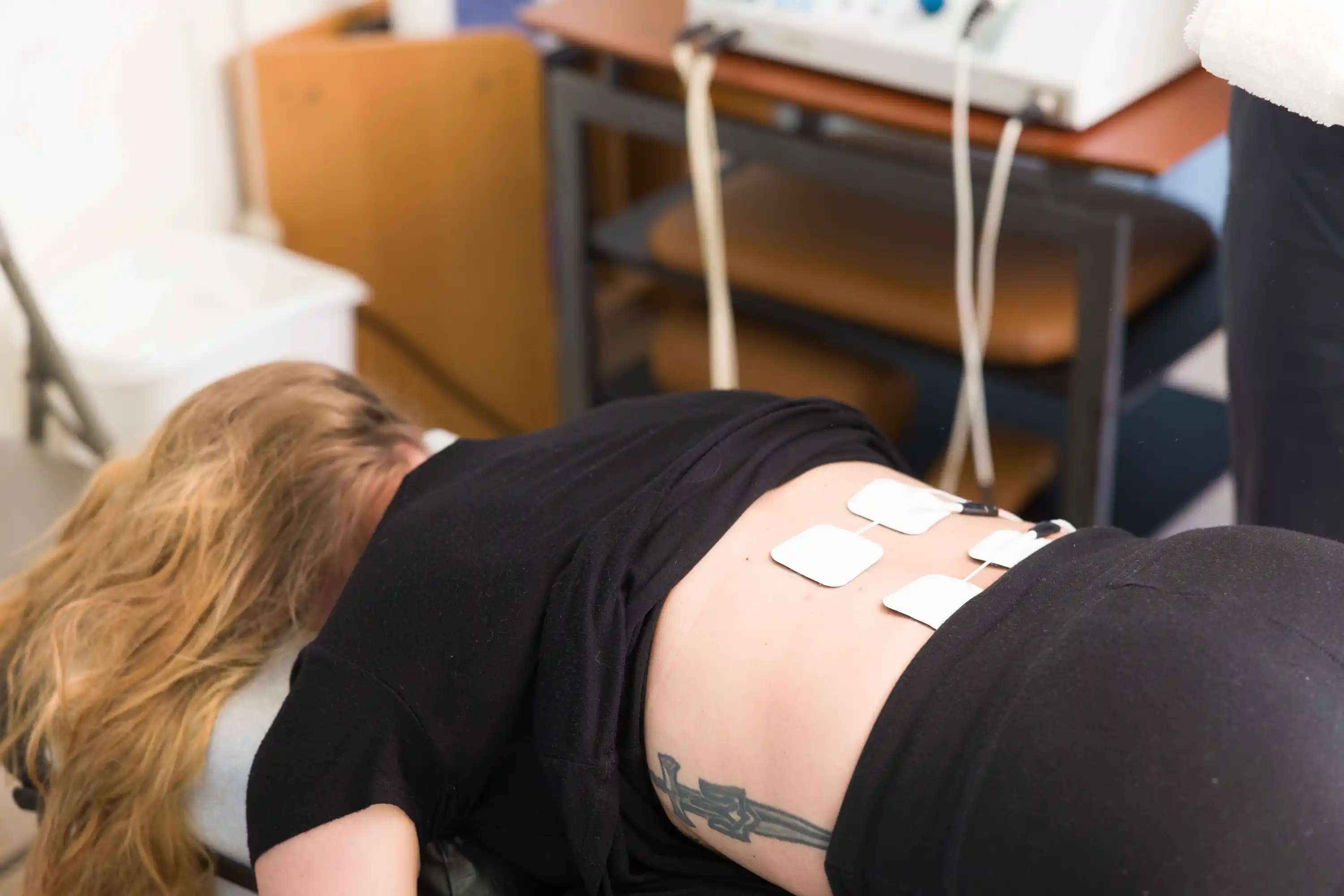
Electric Muscle Stimulation
Electric Stim uses variable electrical impulses applied to muscles with sticky pads, usually in combination with moist heat. This is used to relax muscles, reduce pain, stimulate tissue healing and strengthen muscles.
Myofascial Release
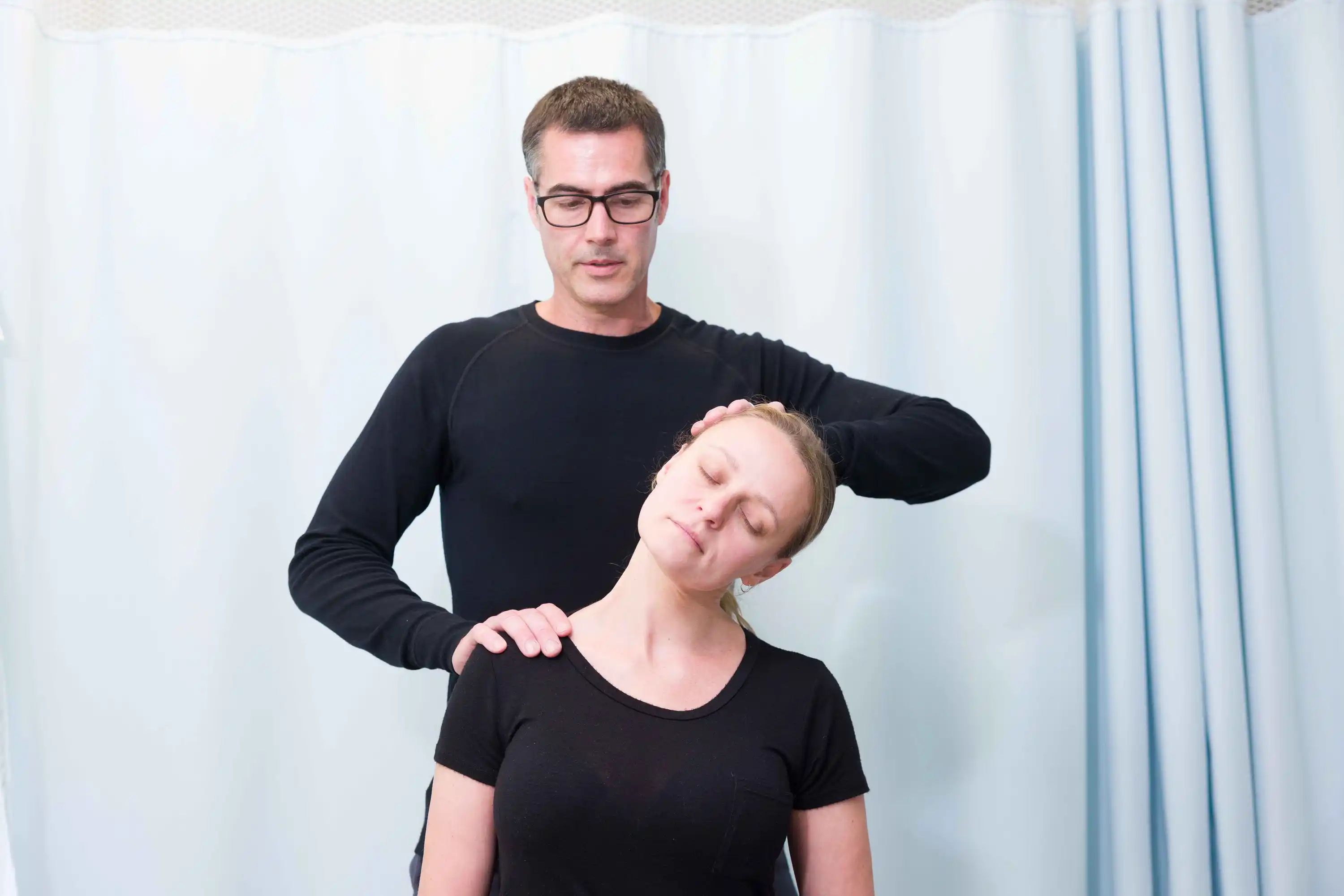
Myofascial Release is one form of deep tissue massage which we incorporate into most of our treatments. Many of our patients come in for muscular problems in which the muscles may be spasmed, knotted, weak or even slightly torn. Normalizing damaged muscles is a huge part of what we do in this office.
Class IV Laser
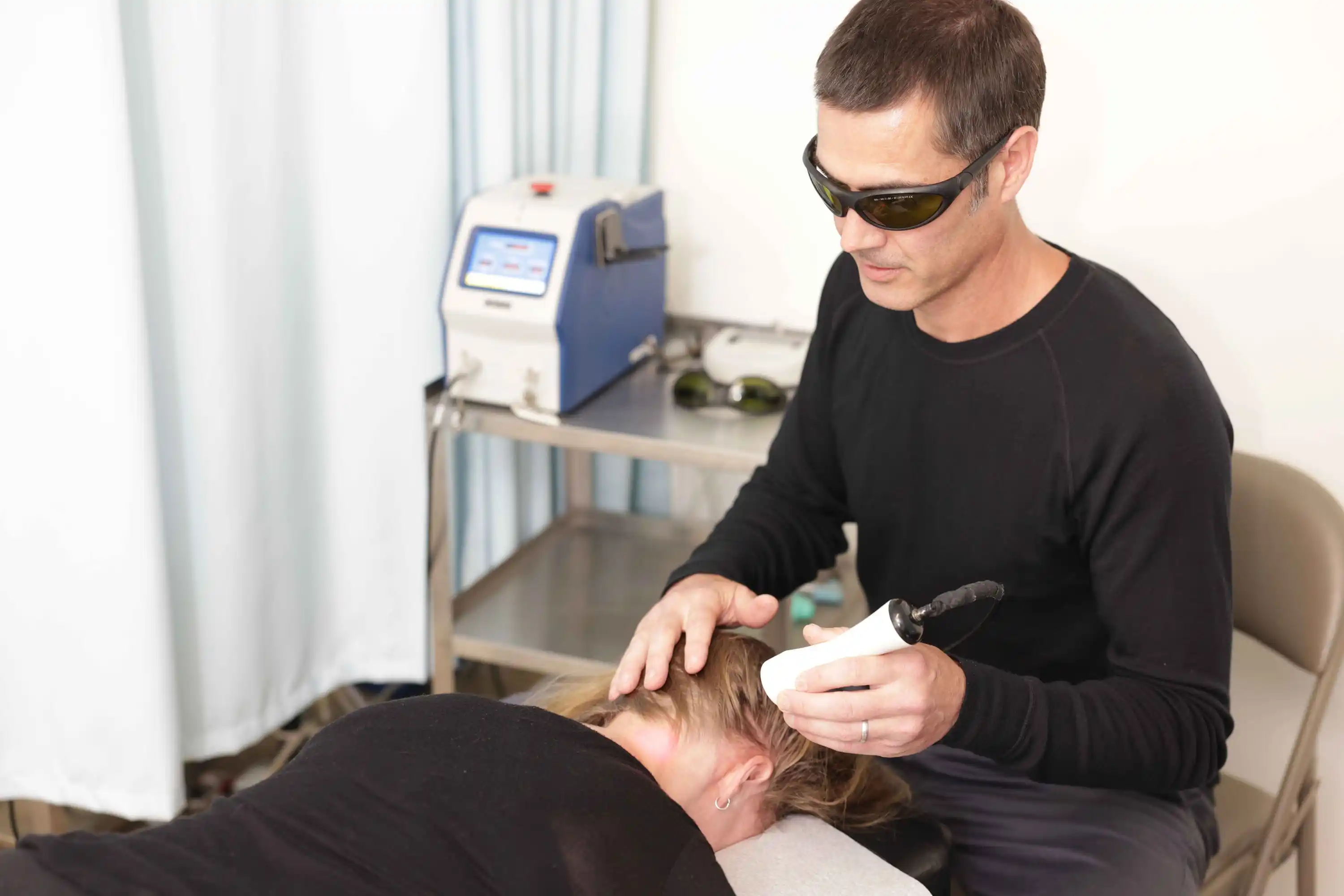
Class IV laser therapy is a safe, non-invasive treatment method that uses specific wavelengths of light to accelerate healing and decrease inflammation at the cellular level. Laser therapy helps reduce pain, inflammation, and accelerate recovery through a process called photobiomodulation. Benefits of Laser therapy include pain reduction, inflammation reduction, accelerated tissue repair and cell growth, improved vascular activity, increased metabolic activity, and stimulated nerve function. The difference between a Cold Laser or Class 3 Laser and a Class 4 or Hot Laser is simply the strength of the Laser. A cold laser is anything under 1 Watt and a Class 4 laser is over 1 watt. Both lasers will do the same thing but the strength of the laser is directly correlated to the application time. For example, a typical session with a .5 watt Cold Laser would take 20 minutes while the same benefits can be achieved with our 10 watt Class 4 laser in 1 minute.
Physical Therapy
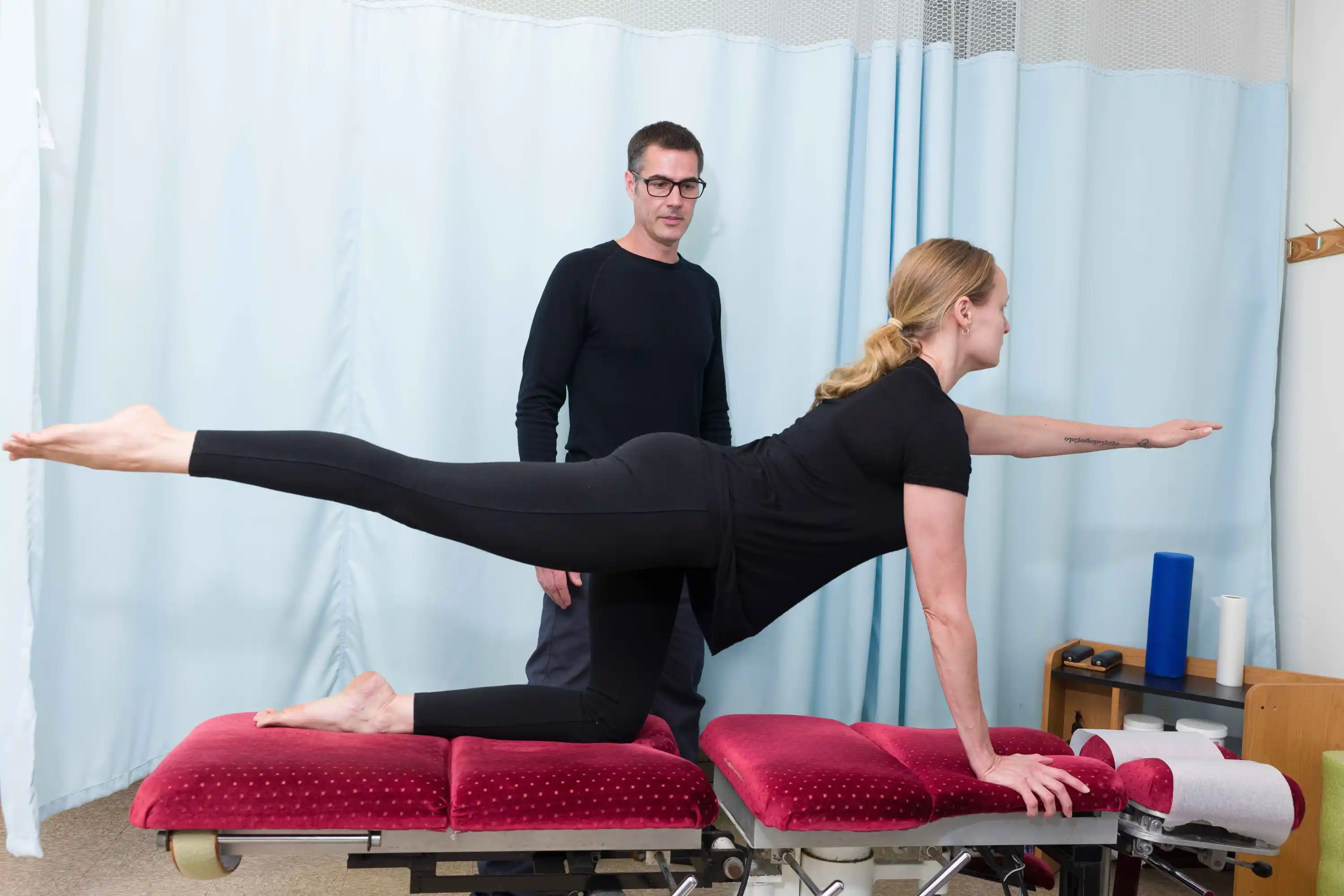
While we are not physical Therapists, we do incorporate much of the same Physical Therapy Modalities and Exercises that Physical Therapists use. Specific stretches exercises are taught and performed in the office and given as home care.
Traction (Spinal Decompression)
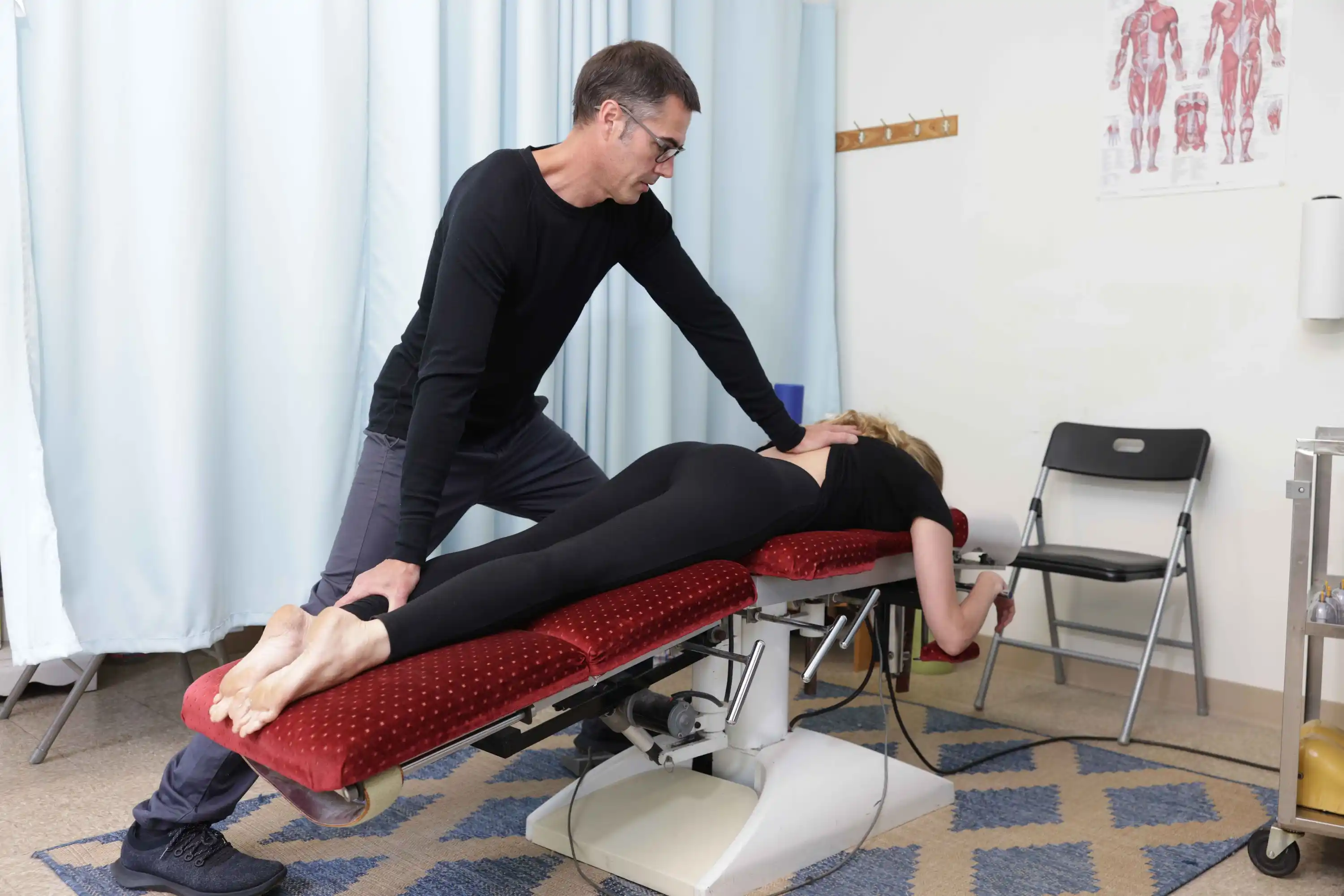
Spinal traction or decompression is a form of therapy that relieves pressure on the spine. It can be performed manually or mechanically. Spinal traction is used to treat herniated discs, sciatica, degenerative disc disease, pinched nerves, and many other back conditions.
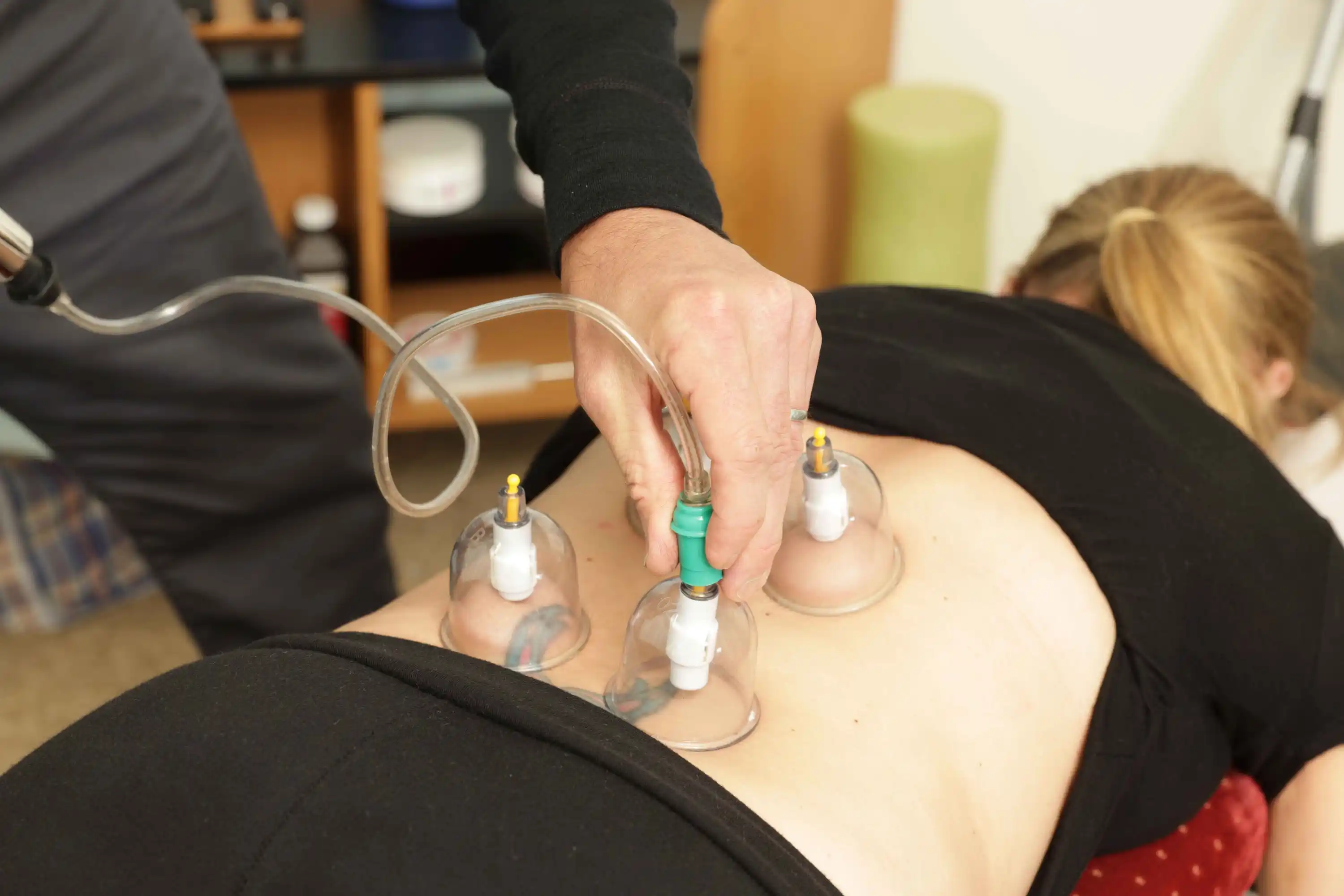
Cupping Therapy
Cupping is an ancient form of alternative medicine in which special suction cups are placed in specific areas on your skin to draw blood into that area. Cupping is used for inflammation relief, relaxation and to promote healing.
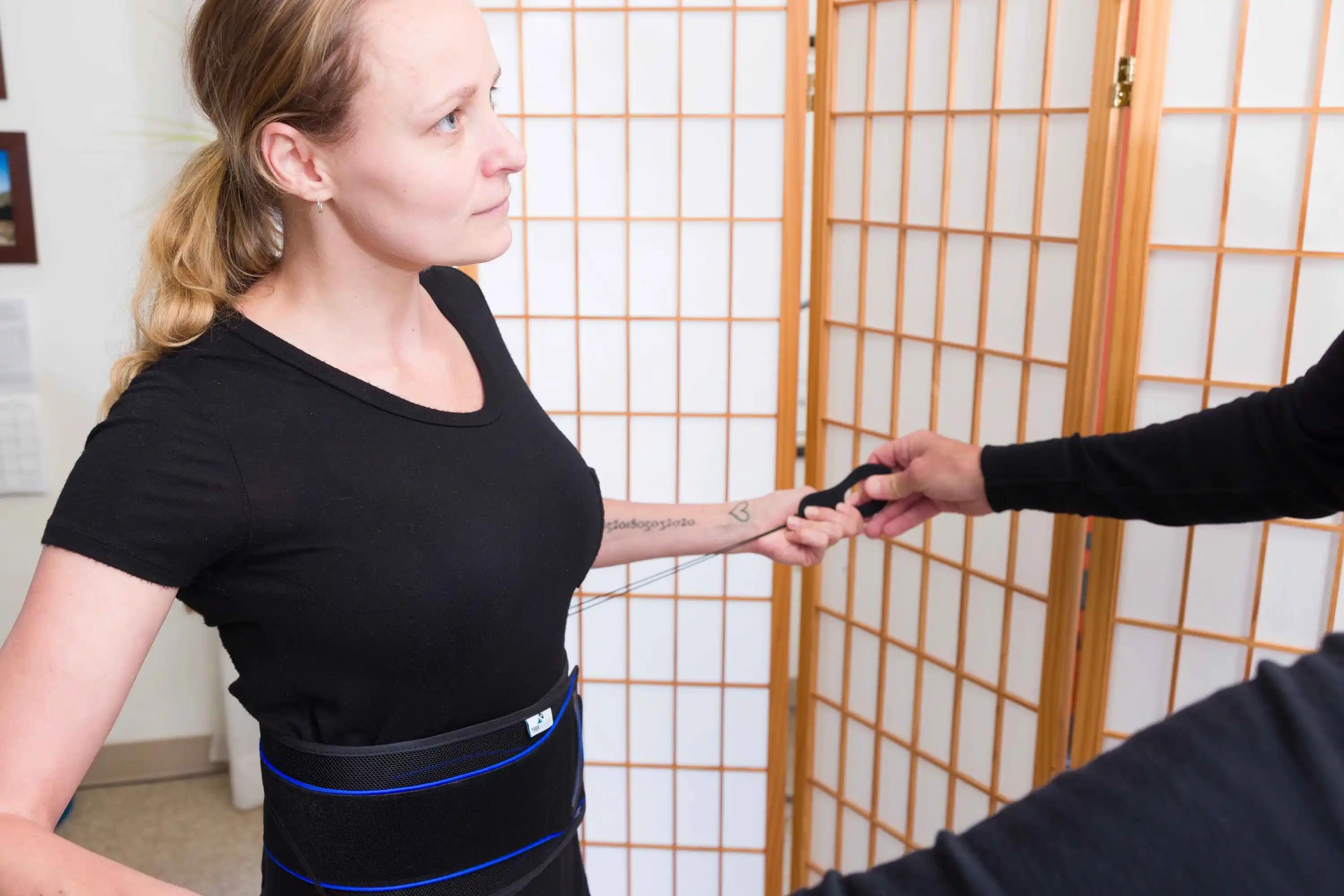
Bracing and Taping
Braces are sometimes prescribed in order to immobilize an injured area or to limit specific motions in an injured area. Kinesiotape is used to help with motion and reduce pain and spasm. Athletic tape is used for support and to limit motion.
